Thursday, 29 November 2018

Joy Journal - a journal full of joy!


Having a chronic illness is often very distressing for a number of reason, which I won't bore you with here.  But, it can be a battle to get your mind from a negative space into a positive one.

A few years ago a friend introduced me to the idea of a Joy Journal.  A place to record at least one thing that has brought you utter joy during the day.

It can literally be anything!  A butterfly landing on your shoulder, a tender hug from a loved one, lunch with a sibling, completing a difficult task.  Anything!!!

Soon you will find that you are actively looking for "joy" so that you can write it in your Joy Journal. 

During difficult times, when you're feeling down you can re-read your journal to relive those moments, to help lift you up again.

Below are just a few entries my my Joy Journal.


Tonight I plan on writing about my oh-so-gorgeous new shoes that I wore for the first time today.  They made me feel very happy indeed!


So, go on, give it a go.  It's bound to lift your spirits and you'll be keeping a beautiful record of your life.  I'd love to see some of the entries from your Joy Journal.  Write them in the comments below.

Love and Light
Linda
x

Saturday, 27 January 2018

The Elimination Diet - see the benefit!

I'd like to show you the benefits of the "Elimination Diet".

The before photo below shows a flare that resulted from me eating asparagus.

I love asparagus and was eating a fair bit of it, but it took me quite a while to work out that was what I was actually flaring too, I kept thinking it was something else in my diet
.
So, I put myself on the Elimination Diet to "detox" and "reset" my body and you can see the result just six days after the very painful flare (which had lasted for weeks).

I can't stress enough the benefits of "treating the cause and not just the symptoms".

Each and every one of us has triggers that make our eczema flare and these are totally unique to the individual.  My major allergies are garlic, the onion family, wheat, asparagus and tomato, (grass and dustmites) but there is a big bucket load of others!

The Elimination Diet, along with keeping and accurate and detailed food diary, may help you determine your triggers and beat your eczema into remission.

It's important to remember it's not a cure - eczema can't be cured - but it is a highly effective management too.

Please contact me if you would like further information on the "Elimination Diet".


Wednesday, 30 August 2017

I am not invincible.

I've come a long way in the last year.

After carrying out an elimination diet I worked out exactly what foods were triggering my eczema flares and I removed them from my diet.

I healed!

My skin went from being a red, raised, weeping mess to very near to flawless!  The constant pain was relieved and I looked and felt fabulous.  My depression slipped away.

I'm pretty excited that after a year of avoiding my trigger foods I find that I can now even eat small amounts of certain foods that caused major triggers in the past, like tomato and cheese.

And how I LOVE cheese!

My two worst triggers are garlic and onions, actually the whole onion family.  But with my new found health I thought I could increase garlic and onion in my diet.

How wrong can I be?!?!?!?!?!

About a week ago my hubby and I went out for lunch, a bit of a celebration lunch.  I saw nachos on the menu and it just lit up like a neon light.  I wanted it really badly!!  I thought, I have conquered my eczema and I can handle this.  So I ordered my nachos and didn't ask the chef if there was garlic or onion in the meal.

Stupid mistake.

I've now been in a terrible flare for just over a week.  If a score of  10 was the very worst flare I've ever had, this flare is a 4. Gawd, I seriously don't know how I coped in the past - I must be a strong little nut.  The pain I've been in the last few days is mind shatteringly bad.

And all because I made the mistake of thinking I was invicible!

So, the moral of the story is....

You are never cured of eczema, you learn to manage it.  

And although little mistakes can be made (and we humans make mistakes) it's pretty bloody stupid to take a running jump, cartwheeling of the wagon with your eyes tightly shut. 

Be kind to your body.


Tuesday, 31 January 2017

Bloody Bacteria

Severe eczema often goes hand in hand with staph infections, and the combination can be an utter nightmare.

We all have bacteria on our skin and most people are ok with this.  For eczema and dermatitis sufferers, however, it can be a real problem.  We often have broken skin, sometimes from scratching, sometimes from skin splits when the skin is super dry and sometimes when wounds just don’t want to heal.

I’ve tried several remedies to rid my skin surface of bacteria and I’d like to share some with you.  I don’t sell these products and I don’t receive kickbacks from the companies, my aim here is purely knowledge sharing.


1.  Bleach bath

I love bleach baths!!  Tell somebody who doesn’t suffer from skin problems though and they freak out!  However, most people don’t know that bleach and pool chlorine is the same thing and it’s not really that scary to have a bleach bath at all.

The bleach is quite diluted.  I use between 60mls and half a cup to a standard cool bath.  Use plain bleach only, be very careful when selecting your bleach as some contain soap agents and scents, you don’t want these.

The bleach baths are very soothing, I always feel so much better after one.  It can dry your skin a little so ensure you put lots of moisturiser on afterwards, as you should any time you have a bath, shower or swim.

If you are trying a bleach bath for the first time, I recommend you use the lesser quantity (60mls) first.


2. Lipikar Baume AP+

This information comes curtesy of my dermatologist, I’d never heard of this before he told me, and I think they are really rather good!  Lipikar Baume AP+ comes in a thick moisturiser and a shower wash.

Lipikar is a lipid replenishing balm, an anti-itch and an anti-irritation and is safe to use all over the body in both adults and children.

The amazing thing about it is that it has natural thermal spring water in it with millions of living micro organisms in it that eat the bacteria on your skin!  In the companies words, Lipikar

Re-establish and stabilize the microbiome’s balance.
Restore and preserve the skin barrier.

My dermatologist recommended application once a day when skin is flared and then just once a week when the skin has healed.

Lipikar has lots of other products that help with sensitive skin.  Their website is http://www.laroche-posay.com.au/

EDIT - Lipikar does sting on broken skin, so please be careful when applying!


3. Anti-bacterial deodorant.

While many believe that society is using too many anti-bacterial agents (which I agree with), people suffering from severe skin problems, and consequently staph infections, may need this little boost.

I’ve found a deodorant that is anti-bacterial and I’m loving it.  There are actually lots on the market, but I use Rexona Motionsense antibacterial defence.

While most would use antibacterial deodorant to alleviate smell, those with skin problems would be using it more to keep staph causing bacteria at bay.


4.  Cetaphil Restoraderm


While not a product designed to battle bacteria on the skin, I still think that Cetaphil Restoraderm is a good product to use as it is supposed to restore the natural barrier of the skin.

In the companies words

The formulation contains filaggrin break-down products that help increase and retain moisture content, by supplementing the natural moisturising factors of the skin.

The patented Ceramide technology in the lotion nourishes skin and increases the skin's ability to retain moisture.
  
Cetaphil make lots of other products that are good for people with skin problems.  Their website is here http://www.cetaphil.com.au/.


These products have worked really well for me, however they may not work so well on everybody! We are all very unique!  Of course, please consult with your health professional if you have any concerns about starting any of these products.

Saturday, 17 December 2016

UCTD. WTF?

When I was told I didn’t have lupus (which I was diagnosed with in the late 90's) but I actually had UCTD I felt lost.  I literally thought “what the fuck?”.

What the hell is that?  Do the doctors not know what’s really wrong with me?  Am I in limbo until I get an “official” diagnosis?  Too many questions clogged my brain but it all sounded way too hard to deal with so I put it to the back of my mind (well, I pretended too, anyway) and tried not to dwell on it (I did!).

How stupid was that?  Not knowing about your self is never a good idea, it only makes matters worse.  So recently I decided to get off my butt and do some research and found that UTCD isn’t really as scary as I had first thought!  (Still a little scary, but manageable!)

So, UCTD stands for “Undifferentiated Connective Tissue Disease”, also known as “Undifferentiated Autoimmune Disorder (that’s what my rheumatologist called it).

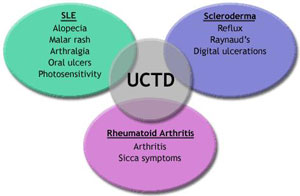
The term "undifferentiated connective tissue disease" is used to describe people who have symptoms and certain lab test results that look like a systemic autoimmune disorder or connective tissue disease.  But they don't have enough of such characteristics to meet the diagnosis for a well-defined connective tissue disease, such as rheumatoid arthritis, lupus, or scleroderma.  Thus, they seem to have another, similar disorder that doctors call undifferentiated connective tissue disease. 1


Although the word "undifferentiated" sounds vague, rheumatologists know this term describes a real problem.  It does not mean that your doctor does not know what to call what you have. 1

Well, there you go!  I’ll be buggered!  I’m not in no-mans-land after all.  When I learnt that it was a weight off my shoulders.  I was suddenly in a “group” and when I googled it I found several support groups for UCTD which was even more of a relief.

The term undifferentiated connective tissue disease was first used in 1980’s to identify people who were recognized as being in the early stages of a connective tissue disease (CTD) but who did not yet meet the standard criteria for a well-defined CTD.  At that time, it was noted that a substantial proportion of these patients remained undifferentiated – or experienced a disease remission – and never evolved in to a more defined rheumatic disease. 1

Other names used early on to describe some of these patients included "latent lupus" and "incomplete lupus erythematosus”, which meant that some features suggestive of lupus were present, but not enough to make the diagnosis.  As many as a quarter of all patients seen by rheumatologists have UCTD. 1

My symptoms are more in line with lupus then any other autoimmune disorder, although I have developed arthritis in my hips that have required total hip replacements (one done, one to go).  My other symptoms are light sensitivity, occasional dry eyes, skin rash, lethargy, joint aches (Arthralgia) and high antinuclear antibodies (ANA).  A high ANA level indicates that there is something wrong with the immune system.  None of my internal organs have been affected.

Other common problems that can be associated with UCTD are hair loss, mouth ulcers, fever, Leukopenia (decreased numbers of white cells in your blood), Anemia (decreased numbers of red blood cells in your blood) and Raynaud's phenomenon (colour changes in your hands and feet in response to cold).

Rarer symptoms include pleuritis or pericarditis (inflammation of the lining surrounding the lungs or heart, respectively, which can cause chest pain especially with breathing) or neuropathy (abnormal nerve sensations, usually in the fingers or toes, ranging from numbness to tingling to pain) may occur. Problems with the kidneys, liver, lungs or brain are almost unheard of. 1

The problems seen with UCTD usually are not life-threatening, nor do they typically get worse over the years. 1

So what causes UCTD?  Like any other autoimmune disorder, UCTD is caused by the immune system not working properly.  The immune system is meant to protect our bodies; fight viruses, bacteria, colds and flu, etc.  However those with autoimmune disorders have immune systems that don’t fight invaders so well and actually attack the body itself!

It is thought that UCTD can be developed by certain environmental triggers (major allergies as a child, for example) or is genetic (passed through the genes, you have it from birth), but the true causes are not widely understood.

Some positives… similarly to some cancers, UCTD and other autoimmune disorders can have periods of remission, when there are no symptoms such as pain or flares.

Patients with UCTD have an excellent prognosis (a prognosis is a forecast about the likely course of a disease).  

Almost all studies to date indicate a low likelihood of progression to any involvement of organs such as the kidney, lungs, and brain.  A small minority of patients (<20%) go on to develop a well-defined connective tissue disease, but this becomes much less likely if the disease has been present unchanged for greater than five years. 1

UCTD requires a fair amount of lifestyle change.  For example, I’ve had to change my diet quite radically, eliminating any allergens so that I don’t experience flares.  I’ve also had to sell most of my furniture and buy new furniture that doesn’t house dust mites (which cause severe flares to my skin).  We have built our own home with a wooden floor and blinds instead of curtains and spray nearly everything with Eucalyptus spray which is lethal to dust mites.

We rarely go out anymore which was a huge disappointment to me and my hubby as we have always been “foodies” and enjoyed our regular day trips to local restaurants and cafes.  Three of my main allergies are to tomato, garlic and the onion family (including shallots and leek) and these foods are in nearly everything when you go out.  I’ve also recently learnt that I have a high allergy to coconut! I used to use coconut creams to moisturise my skin with and I LOVE Thai food.  Alas, no more. Another bummer is that I've had to reduce my wine intake. I love wine! Now I have it on special occasions only.

But it’s not too bad.  We are developing new cooking techniques and have found that we quite like French style cooking so we are playing with that more and more.  This Christmas we are making Duck a L’Orange, a classic French meal.  Yum!  With a bottle of sparkling Grant Burge chardonnay.  Big smiles.  

☺☺☺☺

So, living with UCTD isn’t too terrible.  Don’t get me wrong, there have been LOTS of terrible times and I expect more in the future, but I am learning (oh-so-slowly) how to manage my condition and make the very best of my life, which BTW, I love!! 

❤❤❤❤

It's important for people to understand that UCTD isn't the same every single day.  There are good days and bad days.  Bad days are when our symptoms explode through the roof and we are even sicker than normal.  This is when we need the most support. Carly Findlay, who has a condition called Ichthyosis, explains that well in her blog here - 

Nine nice things to do for your friend whose chronic illness has exacerbated - Carly Findlay


Websites you might find useful:

What You Should Expect From UCTD: Learning toLive with Undifferentiated Connective Tissue Disease (book) 


Me on a Good Day!

  
 ---------------------------------------------------


Monday, 5 December 2016

To Vaseline or not to Vaseline - that is the question.

Facts and Myths about USP White Petroleum Jelly ~ by Healthy Living.


I'm sharing this information as many people have asked me about the use of Lucas' Paw Paw ointment which has high grade parrafin in it. I heard many stories about parrafin being a dreadful product.... but after researching the facts and finding no scientificly based published papers proving it was dreadful but finding published information showing it was actually OK, I have decided to contiue using it for myself. HOWEVER, this is not saying you must use any parrafin based products, but it gives you the facts to make up your own minds. And that's what knowledge sharing is all about!!

Ever heard that petroleum jellyblocks skin pores? Mineral oil is a toxic petroleum byproduct? Here are the mythsand facts on the petroleum jelly and mineral oil used in the cosmetic industry:


Myth: Petroleumjelly (Vaseline) used in hair and skin products is a dangerous chemical by product of petroleum or gasoline.

Fact: Refined USP Petroleum jelly isnot the same as the "Petrolatum" defined by the Chemical AbstractSystem (CAS) definition found in the EPA Toxic Substances Control Act (TSCA) Inventory. This CAS number (8009-03-8) applies to an unrefined, heavy, waxypetrolatum material.  In fact, United States Pharmacopeias (USP) white petroleum jelly is not a by product but is are fined and purified product of heavy waxes and paraffin oils.  USP White Petroleum Jelly surpasses the safety standards set by the FDA for use in food and cosmetics products as well as for both the European Union (EU) and Japanese Pharmacopeia Chemical Codes.


Myth: Petroleum Jelly (Vaseline) or mineral oil when applied to the skin creates an impassible barrier plugging hair and skin pores (comedogenic).

Fact: There exist no crediblescientific studies that prove that petroleum jelly or mineral oil is in fact comedogenic (block skin pores).  Inreality, the term comedogenic was developed by the FDA to only classify substances that caused acne by blocking facial skin pores . Later, health and nutritional advocates attempted to extend this definition to include products used for the hair and body. However, the term "comedogenic" was never intended to be used beyond the original scope as defined by the FDA.  Recently, new scientific studies have resolved the debate.  Technical papers publishedin the Journal of Cosmetic Dermatology (May 24, 2005) and the Journal of the Society of Cosmetic Chemists (1996, vol. 47, pp. 41-48) demonstrated that white USP mineral oil (FG) and white USP petroleum jelly (Vaseline) do not block skinpores.

Petroleum Jelly and mineral are classified as "occlusive" moisturizers. In theory, occlusives reduce water loss from the skin by creating a hydrophobic barrier when applied over the skin.  Occlusive moisturizers diffuse into the intercellular lipid domains and herein lay effectiveness. Published studies show that although Vaseline exhibits what appears to be an occlusive property when applied to the skin it neither forms nor acts as an impermeable barrier but rather permeates their slowly throughout the SC interstices, allowing for normal skin recovery.

In layman's term Vaseline petroleum jelly does not clog skin pores but slowly diffuses throughout the skin lipid layer and even assists the body in skin repair.


Myth: Petroleum Jelly is inexpensive poor moisturizer.

Fact: True, White USP Petroleum Jellyis an inexpensive product but on the contrary it is still the most cost-effective moisturizer used today in the cosmetic industry.  Petroleum jelly at minimum concentrations reduces transepidermal water loss (TEWL) by more than 98% and is followed bylanolin, mineral oil, and the silicones, which are effective in the range from 20%-30%. Other substances such as beeswax, stearic acid, shea butter, jojobaoil, coconut oil, and sunflower seed oil TEWL values are below 20%,


Monday, 28 November 2016

Bathing Bliss

When my skin is flared and sore I take regular soothing baths.  I’ve tried lots of different products over the years and I’d like to share with you the ones I’ve found to be the best.

As with any advice you hear from others, always consult with your doctor regarding a new treatment.  My advice is purely from my own experience, it is not medical advice.


Salt, oatmeal and olive oil or coconut oil

What a heavenly concoction this one is!  So soothing and so moisturising.  Alas, now that I am living in a house with a septic system I can no longer use the salt (unless I’m away from home) as it kills the bacteria in the system, but I still have regular oatmeal baths.

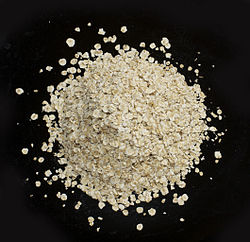
The oats to use are the ones you can eat for your breakfast!  Buy the Rolled Oats or Quick Oats from the cereal isle.  Put the oats into a knee high or cut off stocking and tie a knot at the top, this will save you from a messy, lumpy bath.  When the oats are wet a most soothing oat milk is released through the stocking and into the water.

If you decide to have an oil bath you will need the oats to disperse the oil into the water, or you’ll just get little oil islands floating on the top of the water.  Olive oil or coconut oil are the best ones that I’ve tried.  Coconut oil has amazing healing qualities and you can also rub it directly on to your skin.  Coconut oil also reduces the itch!


Bleach

That’s right, I said bleach!   Why?  Our skin naturally carries bacteria on the surface.  For most people, this isn’t a problem but those with skin conditions, more often then not, scratch a lot so the surface of the skin becomes compromised, broken, and the bacteria can enter the blood stream more easily.  This can lead to staph infections of the skin (which I’ve had several times, and it is SO not nice).  Having a bleach bath kills the bacteria on the skin and reduces the risk of infection. 

Only a small amount of bleach is used, it’s quite diluted.  I use 60ml to a bath of cool or just warm water.  I always feel so much better after a bleach bath and, amazingly, my skin feels soothed and softer.  I follow up with a lot of moisturise on my skin as bleach can dry it out a little.

Make sure you buy bleach that has no additives in it, like soaps or fragrances.  Straight 100% bleach is the one to use.  If you find your bath is getting bubbly when filling, chances are the bleach has soap in it.  I use Black & Gold Regular Bleach.


Dermaveen Extra Gentle Shower and Bath Oil

A soothing oil with 100% natural colloidal oatmeal to gently cleanse & help relieve skin irritations.  I find this one to be the best of the over the counter bath oils as it is free from nasties like sulfates (SLS or SLES), lanolin, parabens, artificial dyes, & fragrances.  It does, however, contain Sorbic Acid as a preservative which is a little strange for people with sensitive skin.  I did write to Dermaveen to ask why they chose that particular preservative but I didn’t receive a reply.


Kenkay Mineral Concentrate

This is a new one for me.  I’ve had two baths in it and so far, really like it!


Kenkay Mineral Concentrate has a unique and innovative combination of Helianthus annuus (sunflower) seed oil as an emollient plus glycerol as a humectant plus occlusives to help minimise moisture loss where the skin’s barrier is compromised and mineral salts (used for thousands of years to manage and calm inflamed skin conditions).


And some others…

There are lots of others bathing products out there that can help to soothe irritated skin, some of them (like Pinetarsal) may help you although it didn’t help me.  It’s important to remember that we are all very different and one person’s miracle might turn out to be another’s nightmare.

Other bath oils include EGO QV bath oil and Aveeno Eczema Therapy Bath Solution.


Some handy links…